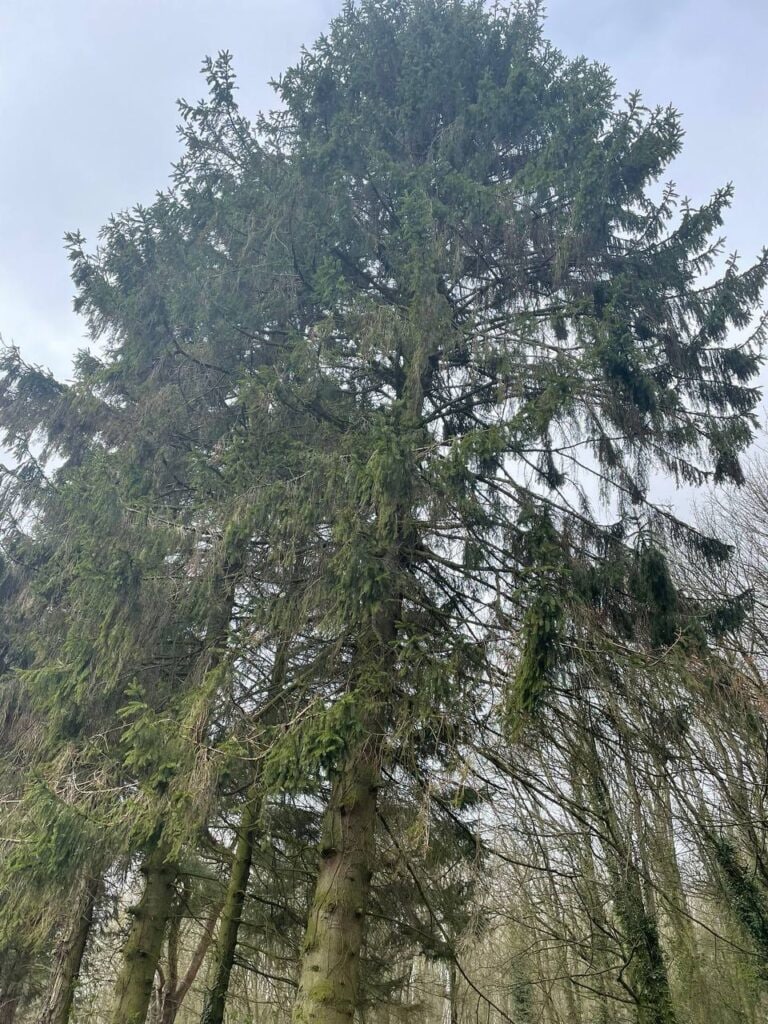
Trees provide shade, support local wildlife and add character to gardens and outdoor spaces. However, as trees mature or become affected by disease, decay or structural damage, they can sometimes become unsafe. Recognising when a tree may need to be removed is important for protecting people, nearby buildings and the surrounding landscape.
For property owners in Uckfield, East Sussex, understanding the warning signs can help identify potential problems before they become more serious. While some issues can be managed through pruning or other tree surgery work, others may indicate that tree felling is the most appropriate option.
Why Tree Condition Should Be Assessed Regularly
A tree can appear healthy from a distance while developing problems within its trunk, branches or root system. Changes may happen gradually, making them easy to overlook until the tree begins to show more obvious signs of decline.
Regular observation can help identify concerns such as dead branches, unusual leaning, fungal growth or damage to the trunk. These symptoms do not automatically mean a tree needs to be felled, but they should be assessed to establish the cause and level of risk.
A professional tree surgeon can inspect the tree’s overall condition, consider its surroundings and recommend an appropriate course of action.
Significant Trunk Damage or Decay
The trunk provides the main structural support for a tree. If it becomes weakened by decay, splitting or extensive physical damage, the tree may become unstable.
Some warning signs include:
- Large cracks or splits in the trunk.
- Hollow or soft areas that indicate internal decay.
- Sections of bark falling away or extensive damaged bark.
- Fungal growth emerging from the trunk.
- Visible cavities or areas of dead wood.
Not every hollow tree is immediately dangerous, as some can remain stable for many years. However, significant decay can reduce structural strength and should be assessed carefully, particularly where the tree is close to buildings, paths or frequently used garden areas.
Extensive Dead or Dying Branches
Dead branches are a common sign that a tree may be struggling. While occasional deadwood can be a natural part of a tree’s development, widespread branch dieback may indicate disease, root problems or serious environmental stress.
Large dead branches can become brittle and fall without much warning, especially during strong winds or heavy rainfall.
If several areas of the canopy are dying back, or the tree is producing very little healthy growth, it may be necessary to investigate the underlying cause. In some cases, targeted pruning can help manage the problem. Where the decline is extensive and the tree has become structurally unsafe, removal may be recommended.
A Sudden or Unusual Lean
Some trees naturally grow at an angle, so a leaning trunk does not always indicate a problem. However, a tree that has recently started leaning or has developed a noticeably different position should be treated with caution.
A sudden change in angle may suggest that the roots or surrounding soil have shifted. This can happen after prolonged rainfall, strong winds or damage to the root system.
Other warning signs include raised soil around the base, exposed roots or cracks in the ground. These may indicate that the tree’s root plate is moving and its stability could be compromised.
If a tree begins leaning suddenly, avoid the immediate area and arrange a prompt professional assessment.
Root Damage and Problems Around the Base
A healthy root system is essential for keeping a tree stable and allowing it to absorb water and nutrients. Construction work, excavation, soil compaction and physical damage can all affect root development.
Signs of possible root problems include:
- Exposed or damaged major roots.
- Soil lifting or cracking around the base.
- Fungal growth near the root collar.
- Noticeable decline in the tree’s health.
- Reduced stability following ground disturbance.
Root damage can be difficult to identify without a closer inspection. A tree surgeon can assess visible symptoms and determine whether the tree can be retained safely or whether removal should be considered.
Serious Disease or Pest Infestation
Certain diseases and pest infestations can cause substantial damage to a tree over time. Symptoms may include discoloured leaves, premature leaf loss, dead branches, unusual growths and areas of decaying bark.
The effect on the tree depends on the particular disease or pest, how advanced the problem is and whether the tree can recover with suitable management.
In some situations, treatment or pruning may be sufficient. However, where the tree has suffered extensive damage and its structure is significantly weakened, felling may be the safest practical solution.
Correct identification is important because different problems require different management approaches.
When Tree Felling May Be the Most Appropriate Option
Tree felling is generally considered when a tree has become unsafe, is severely damaged or cannot reasonably be retained through other tree surgery methods.
However, removal should not be the automatic response to every sign of poor health. A professional assessment helps establish whether pruning, monitoring or another management approach could address the problem.
When felling is necessary, the work should be carefully planned around nearby buildings, fences, roads, garden features and other trees. This helps ensure the removal is carried out in a controlled manner with minimal disruption to the surrounding property.
Conclusion
Recognising the signs of a declining or unstable tree can help prevent avoidable damage and reduce potential risks. Significant trunk decay, extensive deadwood, sudden leaning, root damage and serious disease are all reasons to arrange a professional inspection.
For homeowners in Uckfield, East Sussex, Uckfield Tree Surgeons can assess trees showing signs of deterioration and advise whether tree felling or an alternative tree surgery service is appropriate. If you are concerned about a tree on your property, get in touch to discuss your requirements and arrange an assessment.
Call us on: 01825 705 493
Click here to find out more about Uckfield Tree Surgeons
Click here to complete our contact form and see how we can help with your tree care needs.