Is It Better to Reduce a Tree or Remove It Completely?
Homeowners are often faced with a difficult decision when a tree begins to cause concern: should it be reduced to manage its size, or is complete removal the better option? The right answer depends on several practical factors, including the tree’s condition, its location, and how it interacts with the surrounding environment.
At Uckfield Tree Surgeons, we regularly advise property owners across Uckfield on choosing the most appropriate solution, ensuring trees are managed responsibly while protecting homes and gardens.
Understanding Tree Reduction
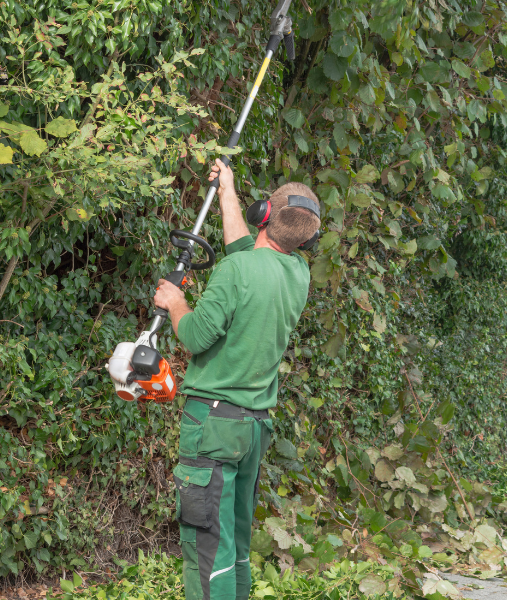
Tree reduction involves carefully reducing the overall size of a tree while maintaining its natural shape and structural balance. This approach is often suitable when a tree is healthy but has grown too large for its surroundings.
Reduction can:
- Limit overhanging branches near buildings
- Reduce weight and wind resistance
- Improve light levels without removing the tree
- Help maintain long-term tree health
When carried out correctly, reduction allows a tree to remain an asset rather than becoming a liability.
When Tree Reduction Is the Better Choice
Reduction is usually recommended when the tree is structurally sound and shows no signs of significant decay. It is particularly effective for managing trees close to roofs, boundaries, or neighbouring structures where space is limited.
This option preserves the environmental and visual benefits of the tree while addressing practical concerns such as shade, debris, or minor structural interference.
When Complete Tree Removal May Be Necessary
In some cases, removal is the most responsible option. Trees that are severely diseased, structurally compromised, or causing unavoidable damage may no longer be suitable for reduction.
Removal may be the better solution when:
- The tree poses an ongoing safety risk
- Structural integrity has been significantly weakened
- Roots are causing persistent issues nearby
- Previous reductions have not resolved the problem
In these situations, removal helps eliminate risk rather than postponing it.
Considering Long-Term Outcomes
One of the most important considerations is how the tree will behave in the future. A reduced tree still requires ongoing management as it continues to grow, whereas removal is a permanent solution.
Professional assessment helps determine whether reduction will provide a lasting benefit or whether the same issues are likely to return.
Balancing Tree Health and Property Protection
The decision is rarely about preference alone. It involves balancing the health and stability of the tree with the safety and integrity of the surrounding property.
Experienced tree surgeons assess growth patterns, structural condition, and environmental impact before recommending the most suitable course of action.
Why Professional Advice Is Essential
Reducing or removing a tree without proper assessment can lead to unintended consequences. Incorrect reduction can stress a tree or encourage weak regrowth, while unnecessary removal may result in the loss of a healthy, valuable feature.
Professional advice ensures that the chosen solution is both effective and appropriate for the specific circumstances.
Conclusion
Whether it is better to reduce a tree or remove it completely depends on its condition, location, and long-term impact on the property. Reduction is often ideal for managing healthy trees that have outgrown their space, while removal may be necessary when safety or structural concerns cannot be resolved.
For homeowners in Uckfield, East Sussex, Uckfield Tree Surgeons provide expert guidance and professional tree surgery services, helping you make informed decisions that protect both your property and the surrounding landscape.Homeowners are often faced with a difficult decision when a tree begins to cause concern: should it be reduced to manage its size, or is complete removal the better option? The right answer depends on several practical factors, including the tree’s condition, its location, and how it interacts with the surrounding environment.
At Uckfield Tree Surgeons, we regularly advise property owners across Uckfield on choosing the most appropriate solution, ensuring trees are managed responsibly while protecting homes and gardens.
Understanding Tree Reduction
Tree reduction involves carefully reducing the overall size of a tree while maintaining its natural shape and structural balance. This approach is often suitable when a tree is healthy but has grown too large for its surroundings.
Reduction can:
- Limit overhanging branches near buildings
- Reduce weight and wind resistance
- Improve light levels without removing the tree
- Help maintain long-term tree health
When carried out correctly, reduction allows a tree to remain an asset rather than becoming a liability.
When Tree Reduction Is the Better Choice
Reduction is usually recommended when the tree is structurally sound and shows no signs of significant decay. It is particularly effective for managing trees close to roofs, boundaries, or neighbouring structures where space is limited.
This option preserves the environmental and visual benefits of the tree while addressing practical concerns such as shade, debris, or minor structural interference.
When Complete Tree Removal May Be Necessary
In some cases, removal is the most responsible option. Trees that are severely diseased, structurally compromised, or causing unavoidable damage may no longer be suitable for reduction.
Removal may be the better solution when:
- The tree poses an ongoing safety risk
- Structural integrity has been significantly weakened
- Roots are causing persistent issues nearby
- Previous reductions have not resolved the problem
In these situations, removal helps eliminate risk rather than postponing it.
Considering Long-Term Outcomes
One of the most important considerations is how the tree will behave in the future. A reduced tree still requires ongoing management as it continues to grow, whereas removal is a permanent solution.
Professional assessment helps determine whether reduction will provide a lasting benefit or whether the same issues are likely to return.
Balancing Tree Health and Property Protection
The decision is rarely about preference alone. It involves balancing the health and stability of the tree with the safety and integrity of the surrounding property.
Experienced tree surgeons assess growth patterns, structural condition, and environmental impact before recommending the most suitable course of action.
Why Professional Advice Is Essential
Reducing or removing a tree without proper assessment can lead to unintended consequences. Incorrect reduction can stress a tree or encourage weak regrowth, while unnecessary removal may result in the loss of a healthy, valuable feature.
Professional advice ensures that the chosen solution is both effective and appropriate for the specific circumstances.
Conclusion
Whether it is better to reduce a tree or remove it completely depends on its condition, location, and long-term impact on the property. Reduction is often ideal for managing healthy trees that have outgrown their space, while removal may be necessary when safety or structural concerns cannot be resolved.
For homeowners in Uckfield, East Sussex, Uckfield Tree Surgeons provide expert guidance and professional tree surgery services, helping you make informed decisions that protect both your property and the surrounding landscape.
Call us on: 01825 705 493
Click here to find out more about Uckfield Tree Surgeons
Click here to complete our contact form and see how we can help with your tree care needs.